
How 19th Century Women’s fashion Affected the Female perception.
Curated by Emma Browning, May 2024
Introduction
Women’s clothing has been documented and preserved throughout history and reflects the differences and similarities of cultures around the globe. Historians are even lucky enough to touch and feel this clothing first-hand if the proper preservation techniques were accomplished by its original users. Clothing from the 19th century is one the best reflection of cultural ideals for women at the time.
“It [fashion] stems only from human vanity and social competition in which men try to get the better of each other and improve their social standing.”
Junka Gronow
Women used clothing as a method of public statement, where styles of clothing represented class, occupation, and political affilation. (Nickolai 2013, 217).
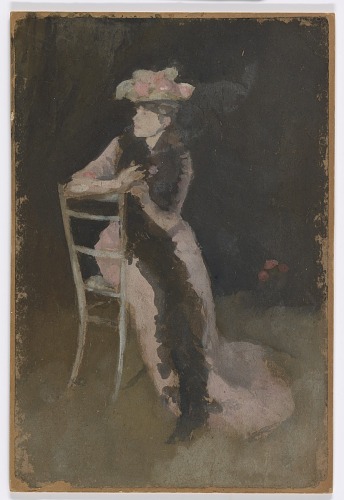

There was a larger significance between men and women’s clothing in the 19th century in comparison to today. This difference directly represents the different social roles of the genders at the time. Changes across the 19th century itself was also prevalent in women’s fashion, though men’s fashion changed little (Nickolai 2013, 218). Despites these changes, certain aspects of the female dress remained standard. This is seen through thin waistlines, high necklines, and long lengths of skirts.
It’s important to appreciate the moral standards of the time. Women were reportedly of higher moral standard, notably more then men (Ginzberg 1990, 13).
Through the use of historical clothing pieces and imagery, this archive will explore the different feminine ideals of the period. Additionally, the lifestyles of these women in different social classes of 19th century United States will also be evaluated. Explore the different themes below demonstrated by the assembled artifacts. These artifacts directly reflecting the information given is chosen in the years 1876-1886.
It is important to understand and appreciate the different social classes of the time. Four main classes divided the citizens of the United States: upper class, middle class, working class, and the lower class (Grove). These classes not only dictacted the occupation of these families, but also influenced the clothes they wore. Mixed with the growing middle class and the echoes of the Industrial Revolution in the 18th century a variety of niches and specialties emerged among American society. This specialization of labor expanded textiles and fashion ideas, allowing for freedom of design and expression. As mentioned earlier, this expression was directed in a vareity of ways. Fashion was a voice of women. A way for them to demonstrate any belief, be political, religious, or social.
Fashion is ever expanding and changing. While these pieces may look different then the clothes worn today, it is important to remember that clothing is one the best representations of society that can be examined.
Thin Waistline

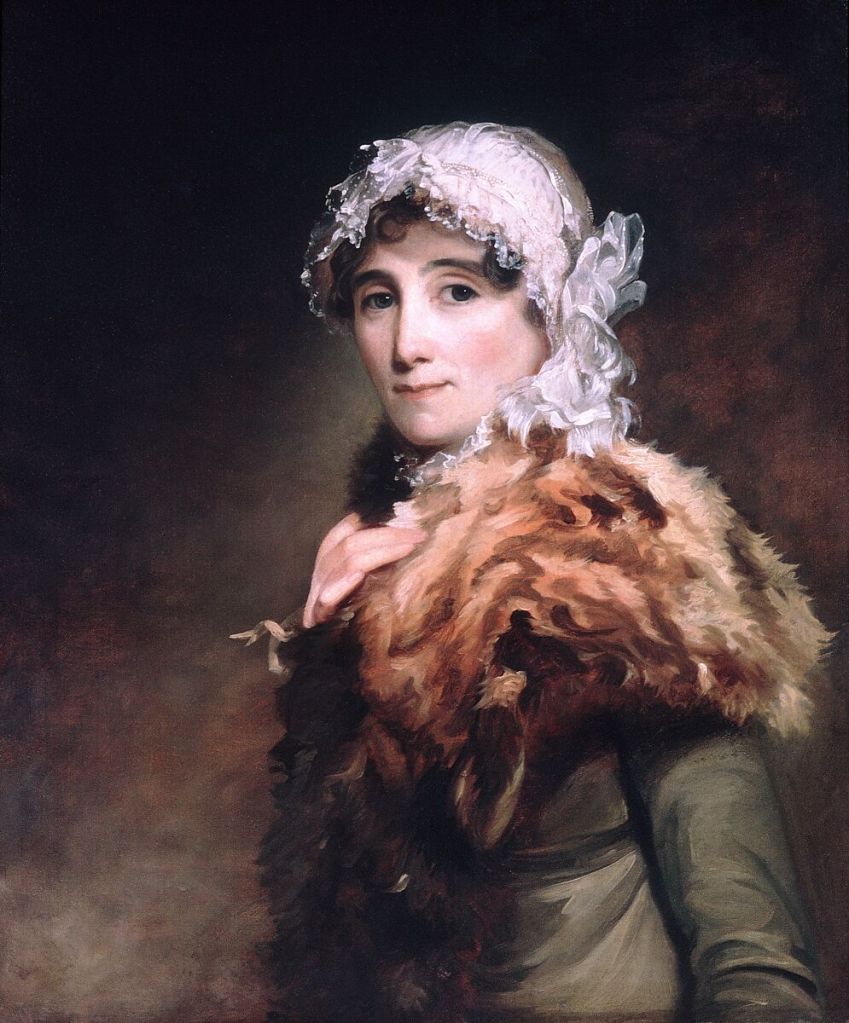
A considerably thin waistline is not surprising to see in the 19th century. Women acheived this effect with the use of a corset bodice fastened with hook and loops. These corsets were structures with metal and bone materials to ensure a shapely figure underneath clothing. This supported slim waist and wide hip mentality that was encouraged with layering petticoats and dress cages. Cage were modified to softer wires to support sitting and long-wear.
Anatomy of 19th century female Americans prove that several years use of these rigid corsets would cause the ribs of these women to reform, their organs adjusting position over time to better fit the constricting nature of the fashion.
Titled Dress, this 1879 piece is held by the Metropolitan Museum of Art. It represents the thin waistline trend of the time, contrasted with the wide hips of the skirt. Likely worn underneath is a corset (as shown).
A thin waistline was considered attractive at the time, and women took any modification possible to achieve this effect.
High Necklines
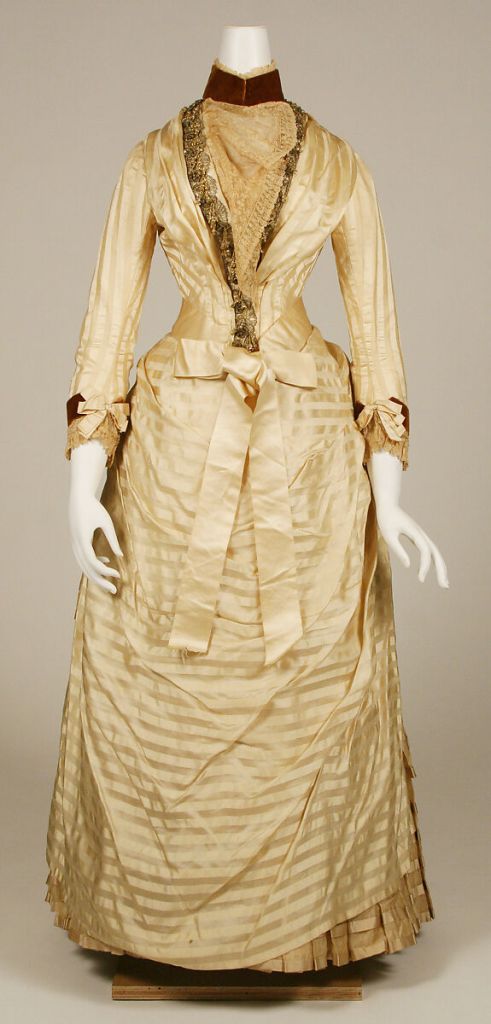
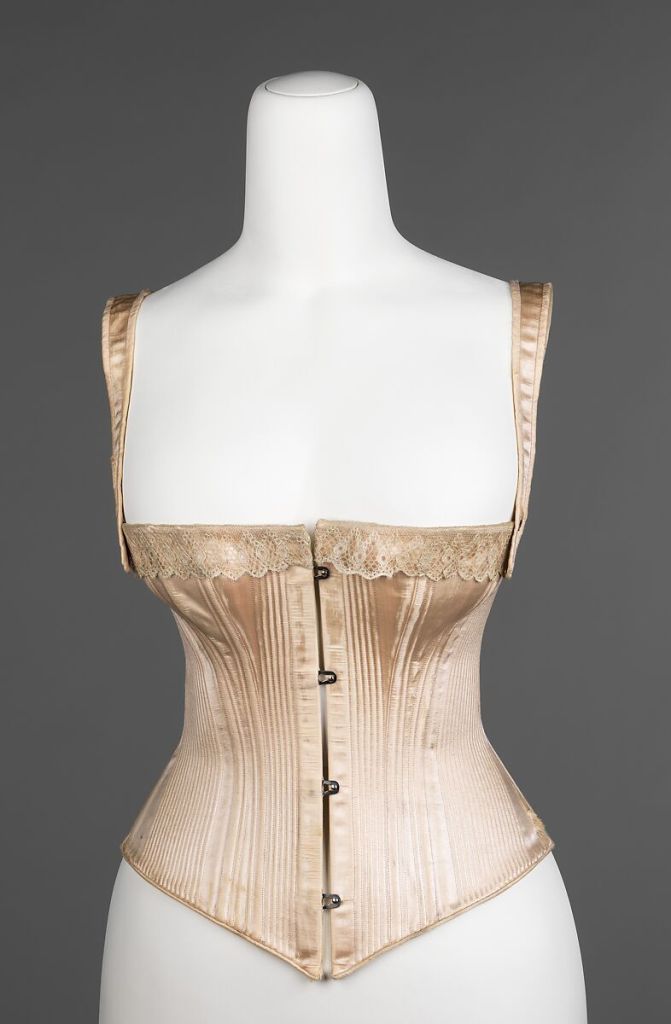
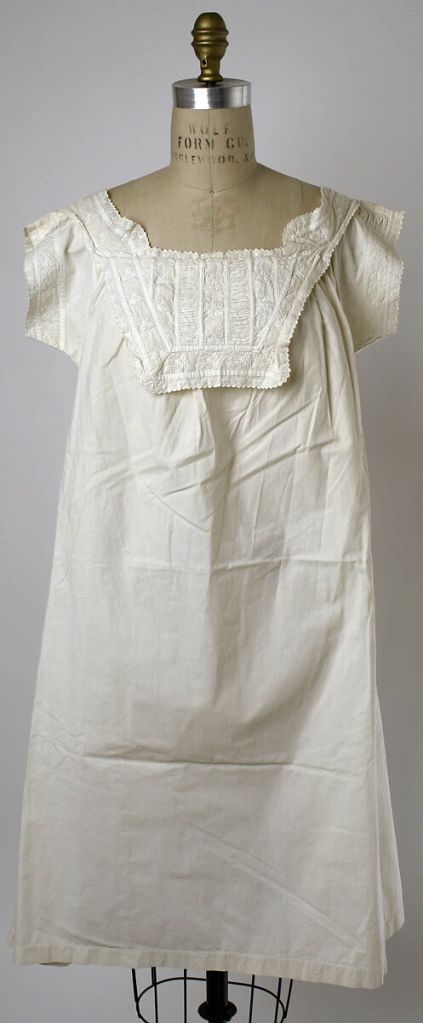
High necklines is a symbol of modesty and religion. A women who is eager to cover herself is considered diserable. In the 19th century, chemises were adopted to convert low neckline dresses into more modest, ideal versions of themselves. Generally made from lace, they would be layered under dresses to give a more natural look. The use of chemise in the 19th century would support the idea that a modest look in the day time was favorable, while women would take to more low-cut, sensual dresses in the evening times. Other dresses, like the Petterson dress shown, were designed with modesty in mind. Dresses paired with a chemise are dual-purpose. The same dress can be worn in both day-time and evening-time with the application of the chemise. This proves that women were urged to be modest and covered in the day time, while more revealing during evening events.
Long Lengths

Long styles were used by virtually all women in the 19th century, no matter the class. However, the variations of trains of dresses is surely one the strongest determinators of class and social standing. A woman who could afford greater amounts of fabrics for her dress train and lived in a clean enough environment to have her train drag on the ground was likely more well off than others. In the late 19th century, certain dress reforms were proposed for a shorter skirt style (Cline, 224). These reforms were not popular, due to the percieved social implications at the time. Short skirt styles were not adopted as popular wear until the 20th century.
As appreciated by the dress shown, this dinner dress sports a longer train in the back, likely worn high a woman in the upper class as evening wear.

Sources
“Chemisette.” Fashion History Timeline, November 27, 2019. https://fashionhistory.fitnyc.edu/chemisette/.
Ginzberg, Lori D. 1990. Women and the Work of Benevolence. New Haven: Yale University Press. https://doi.org/9780300052541.
Grove, Stephen. “19th Century Society Decoded: Class Hierarchy Exposed.” 19th Century Events and Developments. Accessed May 12, 2024. https://19thcentury.us/19th-century-social-classes-america/.
Karen. “Women’s Fashion in the 19th Century.” Historic Hudson Valley, June 25, 2020. https://hudsonvalley.org/article/womens-fashion-in-the-19th-century/.
Nickolai, Carol A. 2013. Historical and Archaeological Perspectives on Gender Transformations. Edited by Suzanne M. Spencer-Wood. New York: Springer. https://doi.org/10.1007/978-1-4614-4863-1.
 Emma Browning | NEWS PRODUCER